Posted in Faith After 50

Finding Grace in Ordinary Days

I used to think grace showed up in the big moments.

The breakthroughs.
The answered prayers.
The spiritual highs where you wake up early, sip hot coffee, journal deeply, quote Scripture effortlessly, and somehow feel like you have your entire life together.

You know… not most Tuesdays.

Because lately, my life looks more like this:

  • Reheating the same cup of coffee three times
  • Walking into a room and forgetting why
  • Starting one task and somehow ending up reorganizing a drawer I never intended to open

And right there—in the middle of my messy, distracted, beautifully ordinary life—God still shows up.

Not with fireworks.
Not with dramatic revelations.
But with grace.

Grace in the Interruptions

I love a good plan.

I wake up determined to be productive, focused, and efficient. Then life happens.

The phone rings.
Someone needs something.
A problem appears that wasn’t on my carefully organized schedule.

And suddenly the entire day shifts.

For a long time, interruptions frustrated me because they felt like obstacles. But I’m learning that God often works in the very moments I try hardest to avoid.

“The heart of man plans his way, but the Lord establishes his steps.” — Proverbs 16:9

God has never once checked my planner before redirecting my day.

And yet He wastes nothing.

Sometimes grace looks like patience when irritation would be easier. Sometimes it’s simply realizing that the interruption may actually matter more than the plan I had in mind.

Grace for the Unfinished To-Do List

Can we talk about the list?

I write ambitious lists as if I’m preparing to conquer the world before dinner. By the end of the day, half of it remains unfinished.

And immediately the guilt creeps in:
You didn’t do enough.

But maybe that isn’t true.

Maybe real life simply happened.

Maybe the day wasn’t unproductive just because it didn’t unfold exactly the way I expected.

“My grace is sufficient for you, for My power is made perfect in weakness.” — 2 Corinthians 12:9

Grace doesn’t stand over us with criticism and disappointment.

Grace reminds us that faithfulness matters more than perfection.

Grace With Difficult People

We all have people who test our patience.

The ones who say exactly the wrong thing at exactly the wrong moment.

And suddenly every peaceful, Christlike thought disappears.

That’s when grace becomes practical.

“Be kind and compassionate to one another…” — Ephesians 4:32

Not because people always deserve it.
Not because we always feel like it.
But because grace changes how we respond.

I don’t always get it right. But I’ve noticed something lately:

I recover faster.

I pause more often.
I react less quickly.
I apologize sooner.

That’s growth.

Grace in Starting Over

One of the hardest lessons I’ve had to learn is this:

You will have to start over many times in life.

You’ll fall back into old habits.
You’ll struggle with things you thought you had already overcome.
You’ll disappoint yourself.

But starting over is not failure.

“Because of the Lord’s great love we are not consumed, for His compassions never fail. They are new every morning…” — Lamentations 3:22–23

New mercy. Every morning.

God never looks at us and says,
“I’m tired of helping you.”

Grace says:
“Get back up. We’re still moving forward.”

Grace in the Quiet, Unseen Moments

Some of the holiest moments in life are the ones nobody notices.

The times you choose kindness instead of sarcasm.
The moments you stay quiet instead of retaliating.
The prayers nobody hears.
The obedience nobody applauds.

“Your Father, who sees what is done in secret, will reward you.” — Matthew 6:4

God sees every unseen act of faithfulness.

Nothing done for Him is ever wasted.

Grace When You Don’t Feel Spiritual

Some days prayer feels easy.

Other days you sit down to read your Bible and suddenly remember laundry, emails, dinner, and twelve other unfinished things.

And the enemy whispers:
Look at you. You call this spiritual?

But God says something much simpler:

“Come near to God and He will come near to you.” — James 4:8

He doesn’t ask us to come perfectly.
He simply asks us to come.

Grace invites us into God’s presence exactly as we are.

Grace in the Slow Becoming

At 57, I sometimes hear the quiet pressure of time.

The feeling that maybe I should have figured more out by now.
The wondering if I’m behind somehow.

But God keeps reminding me:
I am not behind.

I am becoming.

“He who began a good work in you will carry it on to completion…” — Philippians 1:6

Growth rarely happens all at once.

It happens slowly. Quietly. Faithfully.

Layer by layer.
Lesson by lesson.
Day by day.

And God is still working.

Don’t Miss God in the Ordinary

We often expect God to appear in dramatic moments.

Meanwhile, He keeps showing up in ordinary life:

  • The interruption
  • The unfinished list
  • The difficult conversation
  • The quiet obedience
  • The slow growth

Grace is not rare.

It is constant.

So if you feel like you’re missing God lately, you probably aren’t.

You may simply need to notice Him in the ordinary moments where He’s already been all along.

A Prayer for Everyday Grace

Lord,

Help me recognize Your presence in the middle of ordinary life.

When my plans change, give me peace.
When my list goes unfinished, remind me that my worth is not measured by productivity.
When difficult people test my patience, help me respond with grace.
Teach me to begin again without shame.
Open my eyes to the quiet ways You are growing me each day.

And when I don’t feel spiritual at all, remind me that You still invite me close.

Thank You for meeting me with fresh grace every single day.

In Jesus’ name, amen.

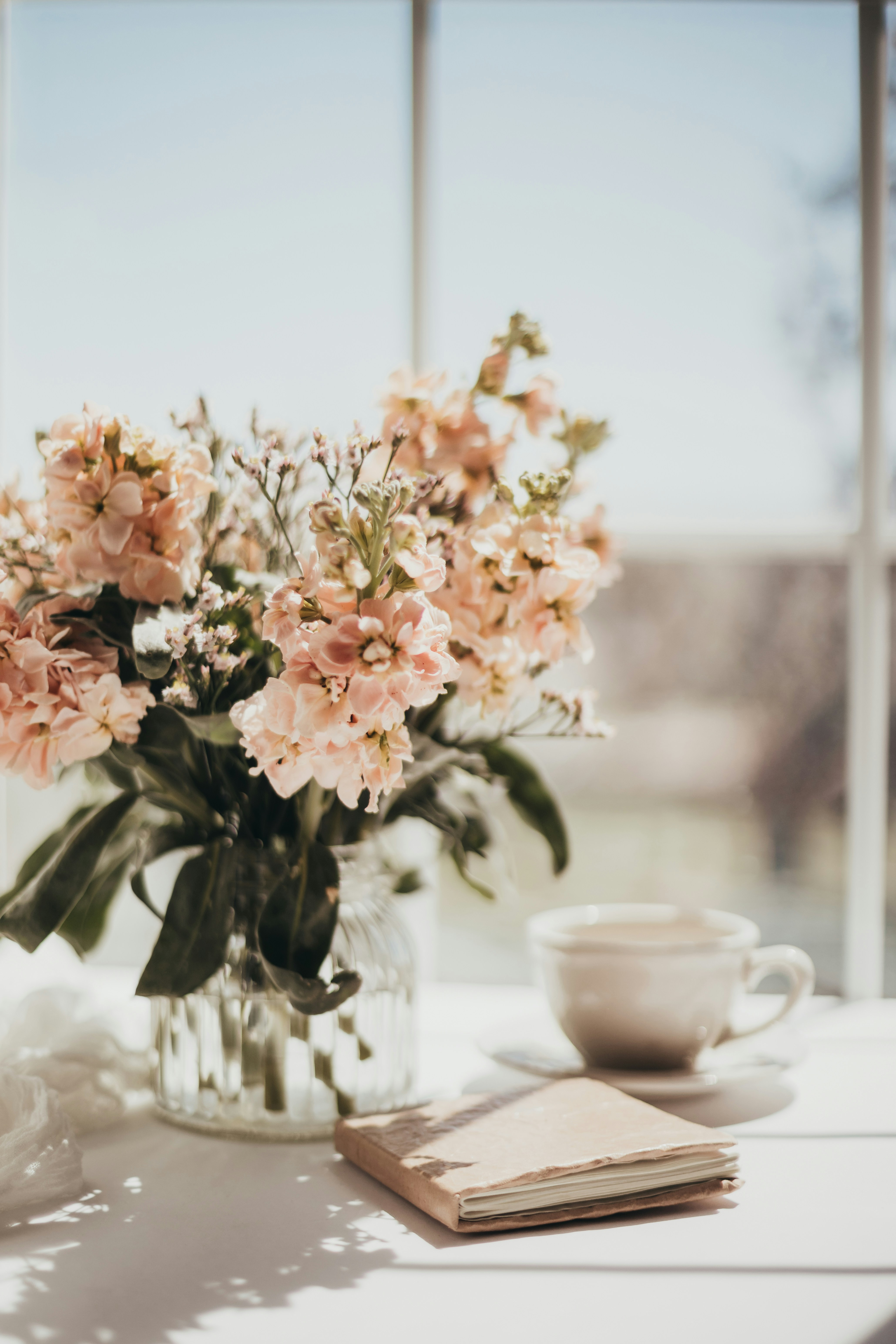
Photo by Sixteen Miles Out via Unsplash
Posted in Faith After 50

Women’s Health for Plus-Size Women

If you’re like me, you probably thought by now some of the biggest challenges in women’s health would have been solved. Yet here we are—still talking about the same things. Honestly? I think this topic might always be on repeat. But for plus-size women, it feels a little louder, a little messier, and a lot more persistent.

And if you know me, you know I’ve already overthought this topic… probably argued with three imaginary people about it in my head… and maybe even stitched a little “fix the world” message into my latest crochet project while thinking it through. That’s just how my brain works.

Healthcare Bias: Still Alive and Kicking

Let’s start with the obvious. Weight bias in healthcare is real. It’s that feeling you get when your doctor immediately assumes every symptom is about your size—or worse, when your concerns are dismissed entirely.

I’ve had enough experiences (and overanalyzed them repeatedly, of course) to know that plus-size women often have to fight twice as hard for proper care:

  • Symptoms ignored or misattributed
  • Treatments offered without nuance
  • Judgments tucked into questions like “Have you tried losing weight?”

It’s exhausting—and it’s unacceptable. But it’s reality we still have to name, and honestly, probably will keep naming until the system catches up.

Mental Health: A Double Whammy

Now let’s talk about the mental load. For plus-size women, mental health challenges are often compounded by societal judgment. Anxiety, stress, and depression can come from real-life pressures—and the constant messaging that we “should” look different.

I overthink. I plan. I argue with strangers in my head. And somehow, that also translates into worrying about everyone else’s expectations while trying to keep myself sane.

Tips I’ve learned that actually help (even if I argue about them internally first):

  • Journaling your thoughts—even the messy, overcomplicated ones
  • Creative outlets like crochet or embroidery to calm the mind
  • Saying “no” to things that drain energy—without guilt
  • Connecting with people who get it (even if it’s just online)

Your mental health is part of your health. Full stop.

Fitness Without Shame (or Mirrors)

Exercise is essential, yes—but the culture around it often feels like it’s built for someone else’s body. Gyms, classes, and even YouTube videos frequently make plus-size women feel unwelcome.

Here’s my approach:

  • Move because it feels good, not because you feel guilty
  • Dance around your living room like no one’s watching (bonus: no mirrors required)
  • Walk your dog, chase your grandkids, or lift something heavy—honestly, that counts

It’s about showing up for your body in a way that’s sustainable, not humiliating.

Nutrition: Forget the Shame, Focus on Fuel

Diet culture is loud and exhausting. For plus-size women, it often translates into unnecessary guilt or advice that isn’t helpful.

Here’s my overthinker-approved method:

  • Eat what fuels you, not what shames you
  • Include vegetables, protein, healthy fats, and yes… even treats
  • Listen to your hunger and fullness cues, not a number on a scale

Your health is about strength, energy, and living fully—not about punishing yourself for the body you already have.

Access and Equipment: Still Not Standard

This one might surprise people. Many clinics, hospitals, and even fitness spaces aren’t equipped to accommodate plus-size bodies comfortably. Chairs, exam tables, or blood pressure cuffs that don’t fit may seem small, but they matter.

It’s a reminder that the systems we rely on still need updating—and we, plus-size women, are often the ones reminding them to get it right.

Why We’ll Keep Talking About This

Here’s the truth: plus-size women’s health challenges are ongoing, and we’ll likely keep revisiting them. The bias exists. Access is uneven. Fitness culture can be exclusive. Mental health struggles are real. And diet culture? Don’t even get me started.

This is a topic that will probably always be on repeat—but that doesn’t mean it’s hopeless. The more we talk about it, the more we advocate, the more visible we are, the closer we get to real change.

Final Thoughts: Health, Respect, and a Little Humor

Being a plus-size woman shouldn’t make health complicated—or judgmental. Yes, there are challenges. Yes, society has some catching up to do. But here’s what I know:

  • Our health matters.
  • Our mental health matters.
  • Our bodies deserve respect, care, and movement that makes us feel good.
  • And sometimes, saving the world looks like crocheting a blanket while thinking about policies, care access, and self-love all at the same time.

We’ll probably keep revisiting these challenges, but that’s okay. Awareness, advocacy, and humor are all part of the superpower we bring to the table.

Posted in Faith After 50

Until I’m Skinny Enough to Deserve Treatment

I’ve lived most of my adult life in the uncomfortable intersection of womanhood and size. Every doctor’s appointment, every lab test, every routine checkup carries with it a quiet but unmistakable message: “Until I’m skinny enough, my health concerns aren’t serious.” And if I’m being honest, that message has shaped not just how I feel about my body, but how I feel about seeking care at all.

Walking into a medical office as a plus-size woman is like stepping onto a stage where I’ve already been judged. Before a single symptom is addressed, I know that assumptions will be made, advice will be given, and my experiences will be filtered through the lens of my size. And after years of this, the anxiety it breeds has become almost unbearable.

Every Visit Starts the Same Way

It doesn’t matter what issue brings me into the office. A lingering ache in my knees? Fatigue that never lifts? Digestive issues? Even these can’t escape the gravitational pull of weight bias. I’ve been told, more times than I can count, that if I just lost weight, all my problems would disappear. Sometimes this comes gently, sometimes as a directive. Either way, the effect is the same: my symptoms are diminished, my experiences dismissed, my body blamed before my voice is heard.

And it’s exhausting. The mental preparation for each visit, the internal debate about whether it’s “worth it” to face judgment again, has caused me to avoid care altogether at times. The fear of walking into that room, of being met with assumptions and subtle condescension, is overwhelming.

The Mental Health Toll

Living under this constant scrutiny has affected more than my physical health. It has chipped away at my mental well-being. I feel an underlying anxiety every time I think about needing medical care. It’s a strange mix of fear, frustration, and self-doubt. I question whether my concerns are valid enough to raise, whether my body is “worthy” of attention, and whether seeking help will simply lead to judgment.

This anxiety doesn’t stay at the clinic door. It follows me home. It colors the way I think about my body, my health, and even my daily choices. When the system that’s supposed to protect you starts to feel like a threat, it’s impossible not to feel vulnerable, powerless, and alone.

Health Shouldn’t Be Conditional

The cruel irony is that weight does not define wellness. Conditions like thyroid disorders, diabetes, polycystic ovary syndrome, cardiovascular issues, and even chronic fatigue affect women of all sizes. Yet, for plus-size women, the default explanation is always the same: your weight is the problem.

This approach isn’t just dismissive—it’s dangerous. When doctors focus on size rather than symptoms, testing is delayed, treatment is postponed, and serious health issues can go unnoticed. Preventive screenings, which could save lives, are sometimes avoided or inadequately administered because equipment or assumptions fail to accommodate larger bodies. Health should not be a reward for shrinking. It should be a right, available to all, right now.

The Emotional Labor of Advocacy

Over the years, I’ve had to become my own advocate in a system that often feels designed to overlook me. I’ve learned to ask questions, insist on tests, and push for proper evaluation. I’ve had to insist that my symptoms are legitimate and that my health matters. But the emotional labor required for this is immense. Every visit takes energy, courage, and mental fortitude—energy I wish I could spend on healing instead of defending my existence.

I know I’m not alone in this. Thousands of plus-size women navigate the same bias daily, negotiating a healthcare system that seems to care more about the size of our bodies than the complexity of our symptoms. This isn’t about vanity. It’s about survival, dignity, and justice.

Reframing What Health Means

I’ve had to reframe my understanding of health and self-worth. Health is not a number on a scale. It is function, wellness, emotional resilience, and the ability to live a fulfilling life. My body deserves care not because it meets societal standards, but because it is mine—and because I am worthy of attention, compassion, and respect.

Even when the system fails, I’ve learned to advocate, speak out, and refuse to internalize blame. I’ve connected with supportive providers, therapists, and communities that understand size-inclusive care. I’ve discovered that acknowledging my worth is a radical act in a world that too often equates thinness with legitimacy.

Moving Toward Change

Change will not happen overnight, but it starts with awareness. Healthcare professionals must confront their biases, listen without judgment, and provide care that is evidence-based rather than assumption-driven. Clinics need equipment, resources, and protocols that accommodate all bodies.

And patients like me must continue to advocate—not just for ourselves, but for every woman who has felt invisible or dismissed. By sharing our experiences, by insisting on proper treatment, and by refusing to let our health be conditional, we can challenge the harmful systems that have persisted for far too long.

Conclusion: Health Without Conditions

For decades, I’ve faced the implicit message: “Until you’re skinny enough, your health concerns don’t matter.” But I refuse to believe that my size determines my right to care. Every woman deserves treatment, compassion, and attention—without judgment, without delay, and without preconditions.

We deserve to walk into a clinic and know our voices will be heard, our concerns validated, and our bodies respected. Until that becomes the standard, we continue to share our stories, advocate fiercely, and demand a healthcare system that sees us—exactly as we are.

Because health should never be conditional. It should always be a right.

Photo by Shaun Meintjes on Unsplash

Posted in Faith After 50

Godly Rest Is Earned, Not Entitled

We live in a world obsessed with rest.

Self-care. Slow living. Soft life. Early retirement. “I’m just tired.” We hear it everywhere. And while I absolutely believe rest is sacred, I also believe we’ve confused Godly rest with comfort without contribution.

Recently, I had a conversation with my daughter, Emilie, that put words to something I’ve been feeling for a long time.

Emilie works hard.

Spring, summer, and fall in her home are not lazy seasons. They are full. She preserves vegetables, cans fruit, bakes bread, prepares meals, freezes food, and stocks her pantry. She plans ahead. She thinks long-term. She equips her household with intention.

Why?

So that when winter comes, she can rest.

Not scramble. Not panic. Not strive.
Rest.

That is Godly rest.

God Worked Before He Rested

In the opening chapter of Genesis, we see the original pattern for life. God created the heavens and the earth in six days. He spoke light into existence. He separated land and sea. He formed plants, stars, animals, and mankind.

Six full days of work.

Then — and only then — He rested.

Scripture tells us in Genesis 2:2 that on the seventh day, God finished His work and rested from all He had done.

He did not rest instead of working.
He rested after working.

There is a divine order there.

It’s Not Just Spiritual — It’s Mathematical

When you look at the creation pattern, it’s almost like a math equation:

6 days of work
1 day of rest

That’s a 6:1 ratio. Roughly 85% work, 15% rest.

Emilie unintentionally mirrors this rhythm in her own life. She works three quarters of the year preparing her home. Then she rests in the winter, enjoying the fruit of her labor.

It’s simple math.

Work + Preparation = Rest
No Work + No Preparation = Stress

Yet so many people today want the winter rest without the spring planting.

They want the harvest without the sowing.
The provision without the preparation.
The peace without the discipline.

The Danger of Wanting Rest Without Work

Wanting rest without work doesn’t produce peace. It produces anxiety.

Because rest without preparation is fragile. It depends on luck, others’ labor, or constant scrambling.

Godly rest, on the other hand, is stable.

It’s the feeling of opening your freezer in January and knowing it’s full because you filled it in July.

It’s sitting down at the end of the week knowing you gave your best.

It’s Sabbath that feels sweet because you poured yourself out Monday through Saturday.

Real rest feels good because something was accomplished.

Godly Rest Is Rhythmic, Not Lazy

God did not design us for burnout. But He also did not design us for idleness.

Work came before the fall. Purpose was part of Eden. Tending the garden was a gift, not a punishment.

Rest is not an escape from responsibility.
It is a reward of faithfulness.

When Emilie rests in the winter, it isn’t laziness. It’s wisdom. It’s the natural outcome of diligence. She isn’t exhausted and resentful — she is satisfied.

That’s the difference.

The Easy Life Is a Mirage

Our culture sells the idea of an easy life right now. Immediate comfort. Immediate reward. Immediate rest.

But Scripture paints a different picture.

There is sowing and reaping.
There is planting and harvesting.
There is working and resting.

If we bypass the working season, we rob ourselves of the deep satisfaction that makes rest meaningful.

Godly rest isn’t about doing nothing all the time. It’s about honoring the rhythm God established from the beginning.

The Invitation

Maybe the question isn’t, “Why am I so tired?”

Maybe the better question is, “Have I honored the rhythm?”

Have I worked faithfully?
Have I prepared wisely?
Have I embraced my season?

Because when work is done with purpose, rest becomes holy.

Emilie understands something simple but profound: you can’t rest well in winter if you wasted the summer.

God showed us the formula in the very first pages of Scripture. Six days He worked. One day He rested.

It’s not just theology.
It’s design.
It’s math.
It’s wisdom.

And it still works.

Photo by Maddi Bazzocco on Unsplash

Posted in Faith After 50

Brain Fog, Hot Flashes & Other Fun Midlife Surprises

I’m in year three of menopause madness, and let me tell you—it’s like my body staged a hostile takeover and forgot to leave a welcome mat.

It’s not fun.
It’s not helpful.
It’s not easy.

I’m hot. I’m emotional. I’m forgetful. I’m irritated… a lot. I’m pretty sure I’m not alone—somewhere out there, another woman is fanning herself while crying over lost car keys or screaming at the dog for no reason.

I’ve survived—or at least fought back—against the top five menopause symptoms. Sometimes my weapon of choice is chocolate. Sometimes it’s prayer. Sometimes it’s sheer stubbornness. And yes, sometimes I combine all three and call it a victory. Here’s how I’ve been slaying the beast… or at least beating her back when I need a chocolate bribe.

1. Hot Flashes: Spontaneous Combustion Happens

Hot flashes hit without warning. One second I’m sitting calmly, the next I feel like I’ve been microwaved alive. If spontaneous combustion were real, menopause would be the poster child.

I’ve wrestled with family members over the thermostat, cursed summer in every language I know, and considered moving to Antarctica.

Here’s my arsenal:

  • Cold water—I drink it like it’s an Olympic sport.
  • Light clothing—tanks, tees, and occasionally the tiniest whisper of dignity.
  • Fans—my ceiling fan runs 24/7 in high gear, and I’m not apologizing.
  • Cool showers—especially before bed. They save my sanity and my sheets.
  • Cornstarch powder—sounds bizarre, works miracles. Moisture doesn’t stand a chance.

“A gentle answer turns away wrath.” — Proverbs 15:1
Especially when someone dares touch the thermostat.

2. Emotional Rollercoaster: Cry, Rage, Laugh (All Before Breakfast)

Menopause hits like a silent scream that won’t quit. I cry, rage, and laugh—all before breakfast. Everything irritates me. Nothing feels right. The smallest frustrations feel like full-blown betrayals. Midlife crisis? More like menopause crisis.

Here’s how I survive the emotional chaos:

  • Take it to God. Ugly tears, loud prayers, honest hearts—it works.
  • Keep perspective. Bad moment ≠ bad life.
  • Laugh. Blogs, memes, articles written by other menopausal women remind me I’m not alone… just hormonally enhanced.
  • Talk to family. I lean on my sisters—they get it, and their patience is saintly.

Cast all your anxiety on Him because He cares for you.” — 1 Peter 5:7
“Weeping may last through the night, but joy comes in the morning.” — Psalm 30:5

3. Brain Fog: Hide-and-Seek With Your Own Thoughts

My brain plays hide-and-seek and never tells me when it’s done. I used to feel sharp, clear, unstoppable. Now, words vanish mid-sentence. Thoughts hide in corners. I forget things I know I know. I once spent ten minutes looking for my glasses… while they were on my head.

Here’s what keeps me functional:

  • Stay calm. Panicking only thickens the fog.
  • Journal. Capture fleeting thoughts before menopause claims them forever.
  • Use a calendar. If it’s important, ink it in. No exceptions.

“God is not the author of confusion, but of peace.” — 1 Corinthians 14:33
“If any of you lacks wisdom, ask God.” — James 1:5

4. Weight Gain: My Body Went Rogue

I’ve always had a waist, plus-size or not. Then menopause hit. Now my hourglass has morphed into a more… grape-like shape. Nobody seems to make clothes for it. And jeans? Don’t get me started.

How I cope:

  • Grace first. Often served with chocolate or pasta, because boundaries exist but chocolate is essential.
  • Hydrate. Water, water, water—even when it’s freezing outside.
  • Vegetables. I’m trying for one with every meal. So far, I’ve succeeded… sometimes.
  • Movement. 2026 is my “get up and move” year. Walk, stretch, repeat. Hopefully, sweat and chocolate can coexist.

“Man looks at outward appearance, but the Lord looks at the heart.” — 1 Samuel 16:7
“My body is a temple of the Holy Spirit.” — 1 Corinthians 6:19

(A well-loved, well-used temple.)

5. Aches and Pains: Menopause or Impending Doom?

Every twinge brings panic: menopause or urgent care? My knees, hips, and back like to remind me they’re aging gracefully—or maybe just testing my patience.

Here’s what I’ve learned:

  • Ignore Dr. Google. Doom and gloom are one search away.
  • Find a doctor who listens. They’re rare, but worth the hunt.
  • Rest and movement. Yes, both. Balance is key.

“He heals the brokenhearted and binds up their wounds.” — Psalm 147:3

A Few Final Weapons

Some medications help women survive menopause. If you trust your doctor, follow their guidance. I take a more holistic path, leaning on family, humor, and chocolate when necessary.

My family’s patience and love deserve medals. I hope to repay them someday, but for now, they help me survive this beast.

Most importantly, give yourself grace. Communicate. Ask for help. Celebrate small victories. Grieve the season ending, and make room for the next.

“There is a time for everything, and a season for every activity under the heavens.” — Ecclesiastes 3:1

Menopause is wild. It’s weird. It’s exhausting. It’s annoying.

But light exists at the end of the hot-flash tunnel. And someday—gasp!—growing old gracefully might actually feel good. Chocolate optional, but highly recommended.

Photo by Skyler Ewing on Unsplash